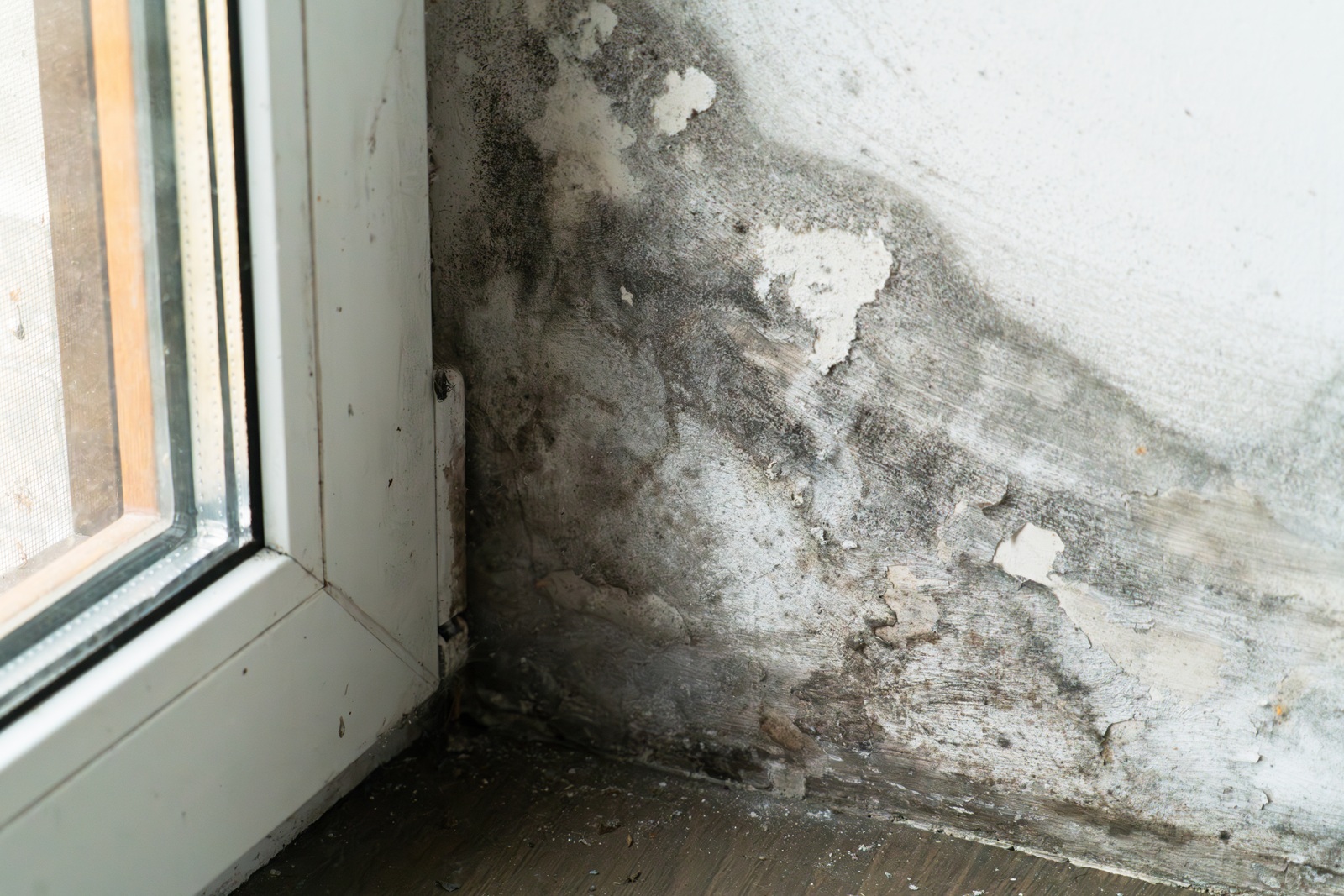
You can sell a Reno house with mold or water damage, but Nevada law requires you to disclose any damage or mold you know about on the Seller’s Real Property Disclosure Form, served to the buyer at least ten days before closing, and that requirement cannot be waived even in an as-is sale. Your three options are to remediate and list, list as-is with full disclosure and accept inspection-driven price cuts, or sell directly to a cash buyer who takes the property with the damage and closes on your timeline. Cash For Reno Houses buys water-damaged and mold-affected homes across Reno, Sparks and Carson City as-is, with no repairs, fees or commissions.
Every winter, Northern Nevada homeowners discover water where it should not be. A pipe freezes in an unheated inherited house in Sparks. An ice dam backs water under the shingles of a cabin above Incline Village. Snowmelt in March finds the crack in a 1970s foundation in Carson City. Weeks later the drywall is stained, the subfloor is soft, and there is a musty smell that was not there before.
If that house needs to be sold, two questions come up immediately: what do you legally have to tell a buyer, and what are your realistic options? This guide answers both for Nevada sellers, explains how the state’s disclosure form treats water damage and mold, and compares remediation, listing as-is and a direct cash sale so you can choose with clear eyes. It is general information, not legal advice; a Nevada real estate attorney or your title company can confirm how the rules apply to your sale.
Do you have to disclose mold or water damage when selling a house in Nevada?
Yes, if you know about it. Nevada’s Seller Real Property Disclosure Act, found in NRS Chapter 113, requires a seller of residential property to complete the state’s disclosure form and serve it on the buyer at least ten days before the property is conveyed. The Seller’s Real Property Disclosure Form 547 published by the Nevada Real Estate Division asks directly about:
- Previous or current moisture conditions and water damage, with further written explanation required if the answer is yes
- Drainage, flooding, water seepage or a high water table
- Any previous or current fungus or mold
- Problems with plumbing, the water heater, the roof and the foundation, which are the usual sources of the damage
Four details matter for a damaged house. First, the duty covers defects the seller is aware of. The Nevada Supreme Court confirmed in Nelson v. Heer that a seller who repaired old water damage and did not know of any resulting mold had no duty to disclose it. Second, the seller must complete the form personally; an agent cannot fill it out for you. Third, a buyer cannot waive the form and a seller cannot require a buyer to waive it, so an as-is contract does not remove the obligation. Fourth, if you discover new damage or an existing problem gets worse between serving the form and closing, you must update the disclosure, and the buyer may rescind.
The penalty for getting this wrong is significant. Under NRS 113.150, a buyer who later discovers a defect the seller knew about and did not disclose can pursue remedies that include multiples of the cost of repair. The practical rule is simple: disclose what you know, in writing, with dates and what was done about it.
What does selling ‘as-is’ actually mean in Nevada?
As-is limits what you have to fix, not what you have to disclose. An as-is sale tells the buyer the seller will not make repairs or credits for the condition of the property. It does not tell the buyer the seller has nothing to say about the condition. In Nevada the Form 547 disclosure still has to be served, and known water damage and mold still have to appear on it.
This distinction protects sellers as much as buyers. A clearly documented disclosure that says ‘water heater failed January 2026, flooring and lower drywall in the hallway removed, dried by a restoration company, no further work done’ leaves no room for a later claim that something was hidden. A vague ‘some water damage’ invites one. The same approach applies whether you list the house or sell it directly; our guide to selling a house with code violations in Reno covers the parallel situation for permit and inspection issues.
Some transfers are exempt from the form, including certain court-ordered sales, transfers between co-owners and some foreclosure-related conveyances. Most ordinary sales by a homeowner or an heir are not exempt. If the house came to you through an estate, our page on selling an inherited house in Reno explains how the disclosure works when you have never lived in the property.
Why do Reno-area houses end up with water damage and mold?
Freeze and thaw, snowmelt, and aging plumbing in a dry climate that hides problems until they are serious. Northern Nevada’s high-desert climate means houses rarely have the chronic humidity problems of the Southeast, but it produces its own damage patterns, most of them concentrated between December and April.
Cause | Where it shows up most | What a buyer will see |
Frozen and burst supply lines | Vacant, inherited or seasonal homes in Reno and Sparks with heat turned off | Ceiling and wall staining, buckled flooring, musty odor in closed rooms |
Ice dams and roof leaks | Higher elevations: Incline Village, Galena, Virginia City Highlands, Carson City west side | Stains along exterior walls and ceilings, damaged insulation, attic mold |
Spring snowmelt and groundwater | Older foundations and crawlspaces across Washoe Valley, Carson City and Gardnerville | Damp crawlspace, efflorescence, rot at sill plates |
Water heater and washer hose failures | Any house, especially 1970s and 1980s housing stock in Sparks and the North Valleys | Localized subfloor damage, cabinet swelling |
Evaporative cooler leaks | Older Reno and Sparks homes with rooftop swamp coolers | Ceiling damage below the unit, roof deck rot |
River and flash flooding | Properties near the Truckee River and in Lemmon Valley | Whole-floor damage, documented in flood records |
The National Weather Service in Reno tracks the freeze and flood events behind most of these. For a seller, the cause matters because it determines what a buyer or cash investor will want to see: a plumbing receipt and a dry-out invoice for a burst pipe, versus a roofer’s report for an ice dam, versus a foundation inspection for seepage.
What are your options for selling a water-damaged or moldy house in Reno?
Remediate and list, list as-is with disclosure, or sell directly to a cash buyer. Each trades money for time and certainty differently.
Option 1: Remediate, repair and list
Hire a restoration company to dry, remove affected materials and treat the area, then a contractor to rebuild, then list with an agent. This usually produces the highest sale price but takes the longest, typically two to four months before the house is market-ready, plus the listing period. You pay for the work up front, carry the mortgage, taxes and utilities while it happens, and still disclose the history on Form 547. Buyers’ inspectors will look for evidence the work was done properly, so keep every invoice and any clearance test.
Option 2: List as-is with full disclosure
Skip the repairs, disclose everything, and let the market price the damage. This works for cosmetic water staining and small, contained problems. For active mold or structural damage it often fails, because most financed buyers cannot get a conventional loan on a house with unresolved water intrusion, appraisers flag it, and the buyers who remain are investors making the same kind of offer a direct cash buyer would make, after you have paid commissions and waited through inspections.
Option 3: Sell directly to a cash buyer
A local cash buyer purchases the house in its current condition, handles the remediation after closing, and closes on your schedule, often in as little as seven days. There are no repairs, no commissions and no financing contingency, and you still complete the Nevada disclosure form. The offer reflects the cost and risk of the remediation, so it is lower than a fully repaired listing price, but it is also net of nothing: no contractor bills, no carrying costs, no agent fees. Our how a cash sale works page walks through the three steps.
The honest comparison is between the net you keep and the months you spend, not between the headline numbers. A house that would take four months and a large repair budget to list at full price can net about the same, or less, than a direct sale that closes in two weeks, especially if the house is vacant through a Reno winter.
How does a cash buyer evaluate mold and water damage?
By finding the source, measuring the extent and estimating remediation, usually in a single walkthrough. When Kyle Ridge walks a damaged house in Reno or Sparks, the evaluation covers:
- Source. Is the leak fixed or active? A burst pipe that was shut off in January is a known quantity; an ongoing roof leak is not.
- Extent. How many rooms, which materials (drywall, subfloor, framing, insulation), and whether the crawlspace or attic is involved.
- Remediation scope. Dry-out, removal of affected materials, treatment, and rebuild. The EPA’s mold guidance is the standard reference for what proper cleanup involves.
- Everything else. Roof, furnace, electrical and the rest of the house are priced the same way they would be on any as-is purchase.
- Documentation. Insurance claim records, restoration invoices and plumber or roofer reports all reduce uncertainty, and less uncertainty means a better offer.
You do not need to clean, remove belongings or hide anything. Sellers who tell us exactly what happened, when, and what was done get the most accurate number the first time. The same walkthrough approach applies to selling a fire-damaged house in Reno, where the questions are smoke, structure and cause instead of water and moisture.
What should you do before you sell a damaged house in Northern Nevada?
Stop the water, document everything, decide on insurance, and complete the disclosure honestly. In that order.
- Stop the source. Shut the main, tarp the roof, or get the sump running. Ongoing damage lowers every option’s value.
- Photograph and date everything. Before any cleanup. These photos support the disclosure and any insurance claim.
- Decide about insurance early. Sudden pipe bursts are often covered; long-term seepage and neglected maintenance usually are not. A claim takes weeks and may affect the home’s insurability history, which a buyer’s carrier will see. Talk to your agent before filing.
- Keep the house heated if it is vacant. Many Reno winter losses happen in the second freeze, after the first one went unnoticed.
- Fill out Form 547 yourself, completely. Answer yes to the moisture, water damage and mold questions where applicable and attach a short written explanation with dates and what was done.
- Get more than one number. Cash For Reno Houses will tell you if a competing offer is better than ours, and the FAQ explains how our offers are built.
Frequently asked questions about selling a house with mold or water damage in Nevada
Do I have to disclose past water damage that was repaired?
If you know about it, yes. Form 547 asks about previous or current moisture conditions and water damage and requires further written explanation if the answer is yes. Describe what happened, when, and what repairs were done. Repaired damage with no known ongoing problem is still disclosed as history.
Can a buyer waive the Nevada disclosure form in an as-is sale?
No. NRS 113.130 states that a purchaser may not waive the form and a seller may not require a purchaser to waive it. As-is governs repairs, not disclosure.
When does the disclosure form have to be delivered?
At least ten days before the property is conveyed to the buyer. If a defect is discovered or gets worse after the form is served, the seller must update it, and the buyer may rescind or close with the new information.
What happens if I do not disclose mold I knew about?
A buyer who later discovers an undisclosed known defect can pursue remedies under NRS 113.150, which can include a multiple of the repair cost. Full written disclosure is the seller’s best protection.
Does a cash buyer still require the disclosure form?
Yes. Cash For Reno Houses asks every seller to complete Form 547. It protects the seller as much as the buyer by documenting what was known at the time of sale.
Will my homeowners insurance cover the damage?
Sudden events such as a burst pipe are often covered; gradual seepage, long-term leaks and neglected maintenance usually are not. Talk to your insurance agent before filing, because a claim takes time and becomes part of the home’s insurance history.
Can I sell a house with active mold in Reno?
Yes. Listing it to financed buyers is difficult because lenders and appraisers flag unresolved water intrusion, but a cash buyer purchases the house as-is, handles remediation after closing, and does not need financing approval.
How fast can a water-damaged house close with a cash buyer?
As little as seven days after the offer is accepted, subject to the ten-day disclosure period and title work. Most sellers choose a date two to four weeks out to arrange their move.
Should I remediate the mold before getting a cash offer?
Usually not. The offer accounts for remediation either way, and paying for it up front rarely returns the full cost in a cash sale. Stop the water source, document the damage and let the buyer price the work.
Does Cash For Reno Houses buy inherited houses with winter pipe damage?
Yes. Burst pipes in unheated inherited homes are one of the most common situations we see between December and March in Reno and Sparks. We can work with the estate’s representative and close once probate or the small estate process allows.
Sell your water-damaged or mold-affected house in Reno as-is
Cash For Reno Houses, owned by Kyle Ridge and locally operated since 2015 with an A+ BBB rating, buys houses with water damage, mold, burst pipes and roof leaks across Reno, Sparks, Carson City, Gardnerville, Fernley and Incline Village. You complete the Nevada disclosure, we take the house as it stands, and you choose the closing date. No repairs, no fees, no commissions.
Call or text 775-491-1060 or request a cash offer with the address and a few photos of the damage. Kyle reviews every inquiry personally and responds within an hour during business hours.
About the Author
Kyle Ridge
Kyle Ridge is a local Reno cash home buyer and the face of Cash For Reno Houses, a BBB A+ accredited company that has been buying homes across Northern Nevada since 2015. He writes about selling houses, local market trends, and the life situations that lead homeowners to sell.